Creating a calm and peaceful environment in your home can greatly improve your overall well-being. One of the easiest and most impactful ways to achieve this is by choosing the right colors for your walls and decor. Calm colors help reduce stress, increase relaxation, and make your space feel welcoming. If you’re wondering how to pick the best hues that promote tranquility, this guide will walk you through the essential tips for choosing calm colors for your home.
Why Choose Calm Colors?
Before diving into the how-to, it’s helpful to understand why calm colors matter. Colors influence our mood and emotions. Bright and intense colors can energize or even overwhelm, while softer, muted tones often promote relaxation and comfort. When you surround yourself with calm colors, your home becomes a sanctuary—a place to unwind and recharge.
Popular Calm Color Families
1. Soft Blues
Blue is widely regarded as one of the most calming colors. Soft blues, like sky blue or powder blue, evoke feelings of serenity and peace. They remind us of clear skies and gentle water, making them ideal for bedrooms and bathrooms.
2. Gentle Greens
Green represents nature and renewal. Muted greens, such as sage or olive, bring a soothing natural element indoors. These colors are great for living rooms or any space where you want to feel balanced and relaxed.
3. Warm Neutrals
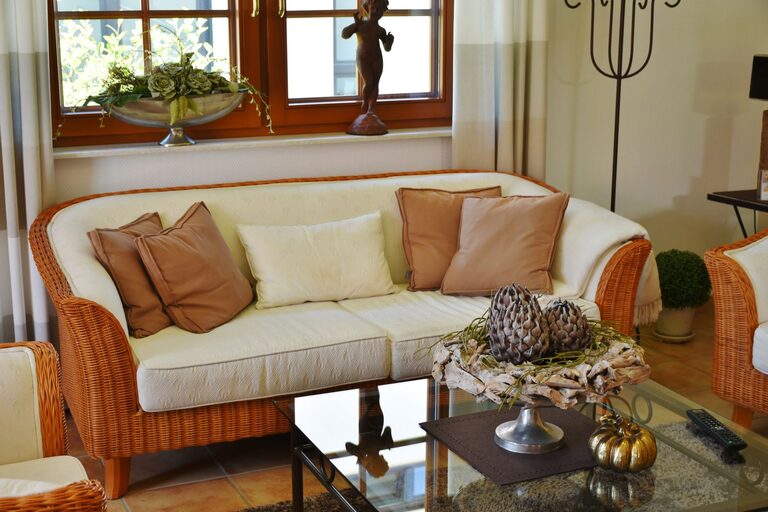
Warm neutrals include shades like beige, taupe, and creamy whites. These colors create a cozy and inviting atmosphere without being too stimulating. They work well as base colors and pair beautifully with other calm shades.
4. Soft Grays
Gray can be a versatile calm color when chosen in softer tones. Light gray provides a cool, modern feeling without feeling cold or harsh. It’s perfect for contemporary spaces and can be combined easily with accent colors.
Tips for Choosing Calm Colors
1. Consider the Room’s Purpose
Think about how you will use each room. Bedrooms benefit from restful colors like serene blues or soft greens. Living areas can use warm neutrals to encourage connection and comfort. Kitchens and home offices might work well with calm tones that still inspire focus, such as muted gray or green.
2. Test Samples in Different Lighting
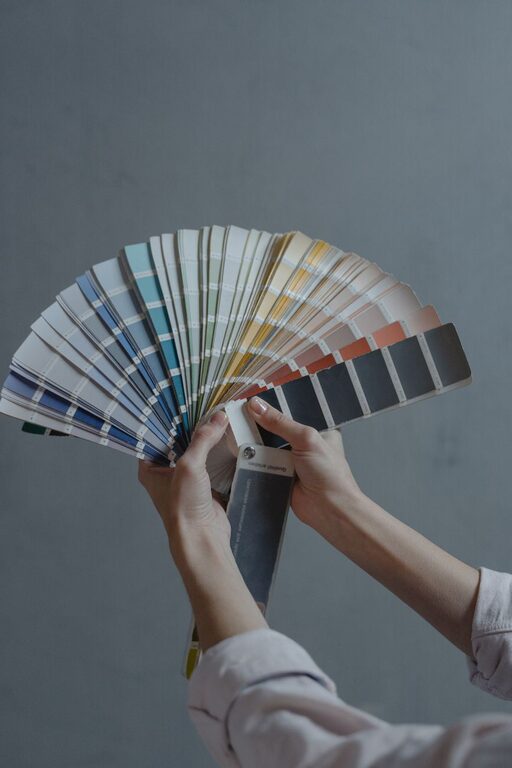
Colors look different depending on lighting. Always test paint samples on your walls and observe them at different times of day. Natural light, artificial light, and evening shadows all affect how calm a color feels.
3. Use Color Combinations Wisely
Layer calm colors for a more dynamic yet soothing look. Pair a soft blue wall with cream furniture, or mix gentle greens with warm beige accents. Avoid too many contrasting colors that might disrupt the peaceful vibe.
4. Think About Undertones
Many calm colors have subtle undertones that influence the overall mood. For example, a blue with a slight gray undertone feels cooler and more subdued than a bright blue with a hint of purple. Pay attention to undertones when selecting paint.
5. Keep It Simple
Less is often more when creating a calm space. Limit the number of colors in a room to two or three to maintain a harmonious appearance. Simple color palettes help prevent visual clutter.
6. Incorporate Texture and Natural Elements
Color isn’t the only way to evoke calm. Combine your chosen colors with soft fabrics, natural wood, or plants to enhance the relaxing feel. Textures add depth and warmth that complement calm colors.
7. Avoid Overly Bright or Neon Colors
Bright or neon hues can be stimulating and may clash with the goal of calmness. If you want a pop of color, choose muted versions rather than intense shades.
Practical Examples
– Bedroom: Paint the walls a soft powder blue, add cream bedding, and use natural wood nightstands. This combination supports restful sleep and tranquility.
– Living Room: Choose warm beige walls with sage green cushions and a light gray rug. Incorporate a few plants for freshness.
– Home Office: Use a muted green wall paired with light wooden furniture to help maintain focus without stress.
Final Thoughts
Choosing calm colors for your home is a rewarding process that transforms your living space into a haven of peace. By focusing on soft, natural tones and thoughtful combinations, you can create rooms that invite relaxation and comfort. Remember to test colors in your home’s lighting, keep your palette simple, and incorporate natural textures. With these tips, you’re ready to select calm colors that make your home a relaxing retreat.