
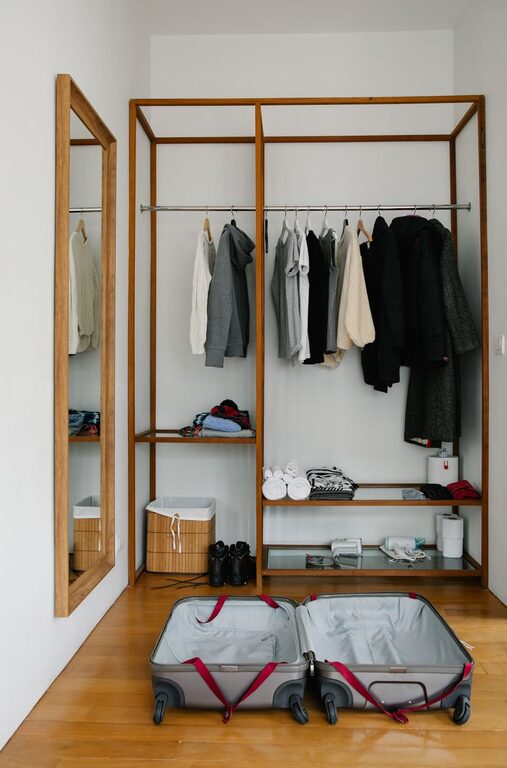
Storing seasonal clothes efficiently is essential for keeping your home organized and your wardrobe manageable. When the seasons change, swapping out your clothes can feel overwhelming if you don’t have a system in place. With a few simple strategies, you can protect your garments and create space for the season’s essentials.
In this article, we’ll explore practical tips for storing seasonal clothes, from choosing the right containers to maximizing closet space.
Why Efficient Seasonal Clothing Storage Matters
Switching clothes seasonally can help you keep your current wardrobe accessible without overcrowding your closet. Proper storage also protects your clothes from damage, dust, and pests. Plus, organized storage saves you time when you need to find specific items and makes it easier to assess what you own before buying new clothes.
Preparing Clothes for Storage
Before storing, take a few crucial steps to prepare your clothes:
Clean All Items Thoroughly
Always wash or dry clean your clothes before putting them in storage. Dirt, oils, and stains can attract insects or cause fabrics to degrade over time.
Repair and Sort
Check for any damaged clothes that need mending. Sort your clothes by type—jackets, sweaters, pants, etc.—to keep them organized for easy retrieval.
Dry Completely
Make sure all items are completely dry to prevent mold and mildew growth while in storage.
Choosing the Right Storage Containers
The containers you use can make a big difference in how well your clothes are preserved:
Plastic Bins with Tight-Fitting Lids
Clear plastic bins are great because they protect against moisture and pests while allowing you to see the contents easily. Ensure the lids fit securely to keep out dust.
Vacuum Storage Bags
These are perfect for bulky items like winter coats and blankets. Vacuum bags reduce the volume of clothes substantially, saving space, but remember that not all fabrics fare well when compressed.
Fabric Storage Bags or Boxes
For delicate fabrics, breathable fabric bags or boxes are ideal. They protect clothes while allowing air circulation, preventing mildew.
Storing Clothes by Category and Frequency of Use
Organizing your clothes thoughtfully helps when you swap seasons again.
– Group by Type: Store all pants together, all sweaters together, etc.
– Use Labels: Label bins or boxes clearly so you can identify what’s inside without opening them.
– Accessibility: Place items you’ll use earlier in the next season on top for easy access.
Maximize Your Storage Space
Small spaces require smart solutions. Here are some ideas to make the most of your storage areas:
Under-Bed Storage
Utilize clear bins or slim vacuum-sealed bags and store them under your bed. This keeps clothes out of sight but still accessible.
Closet High Shelves
Use stackable containers on high shelves to keep off-season clothes out of the way.
Hanging Storage
Use garment bags or hanging organizers for coats or dresses. Hanging keeps clothes wrinkle-free and easy to spot.
Repurpose Furniture
A storage bench or ottoman with internal storage can double as seating and a place to keep seasonal clothes.
Protect Your Clothes from Damage
To maintain the quality of your clothes while stored:
– Use Cedar Blocks or Lavender Sachets: These natural repellents help keep moths and other pests away.
– Avoid Plastic Bags for Long-Term Storage: Plastic bags can trap moisture and cause mildew.
– Store in a Cool, Dry Place: Avoid humid basements or attics. A well-ventilated closet or spare room is ideal.
– Avoid Overpacking: Overstuffed bins can crush fabrics and cause wrinkles or damage.
Tips for Rotating Clothes Seasonally
When it’s time to switch seasons, keep a smooth routine:
- Take out stored clothes well before you need them to allow time for airing or repairs.
- Sort through current clothes as you store them; consider donating items you no longer wear.
- Maintain your system throughout the year to avoid last-minute chaos.
Final Thoughts
Efficient seasonal clothes storage is about preparation, using the right containers, and thoughtful organizing. By following these tips, you can protect your clothes, reduce clutter, and keep your home tidy. With a bit of effort upfront, you’ll enjoy easier wardrobe changes and a more organized living space all year long.