
Working from home offers flexibility and comfort, but it can also bring unique challenges—especially when it comes to maintaining focus. Without the structure of an office environment, distractions are plentiful, and staying productive may feel like a constant battle. The good news is that by adopting the right habits and setting up a conducive workspace, you can significantly improve your concentration and make the most of your remote workdays.
In this post, we’ll explore effective and practical tips to help you enhance your focus while working from home.
Create a Dedicated Workspace
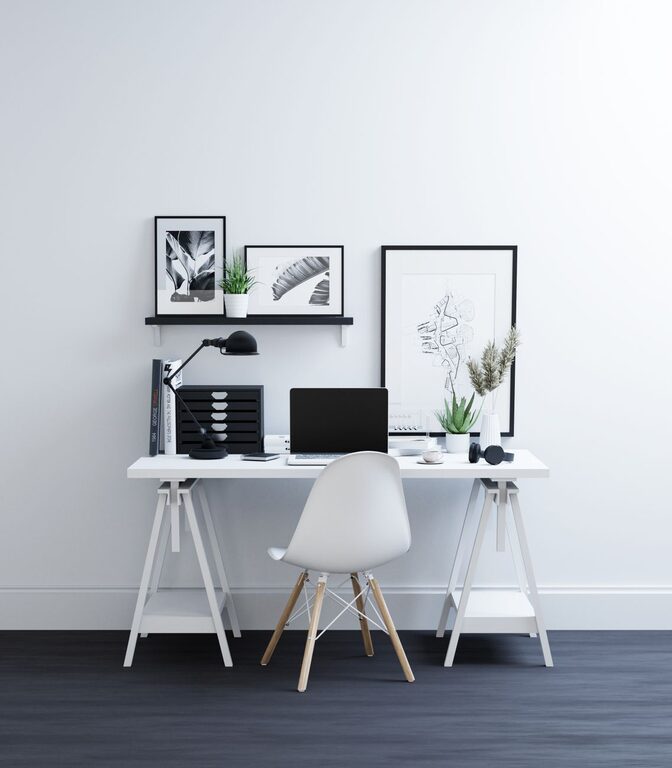
Having a specific area set aside for work can help signal your brain that it’s time to focus. Ideally, this space should be:
– Quiet and free from distractions
– Comfortable with a supportive chair and desk
– Well-lit, preferably with natural light
Avoid working from your bed or couch, as these spots can make you feel too relaxed and hinder concentration.
Establish a Consistent Routine
Routine helps create structure in your day and sets expectations for when it’s time to work and when to relax. Consider these steps:
– Set regular work hours and stick to them
– Begin your day with a morning ritual, such as a short walk or coffee
– Schedule breaks to rest and recharge
– Plan your tasks ahead to prioritize important work
Consistency makes it easier to transition into focused work periods and avoid procrastination.
Limit Distractions Effectively
Distractions can quickly derail your productivity. Here are some ways to minimize them:
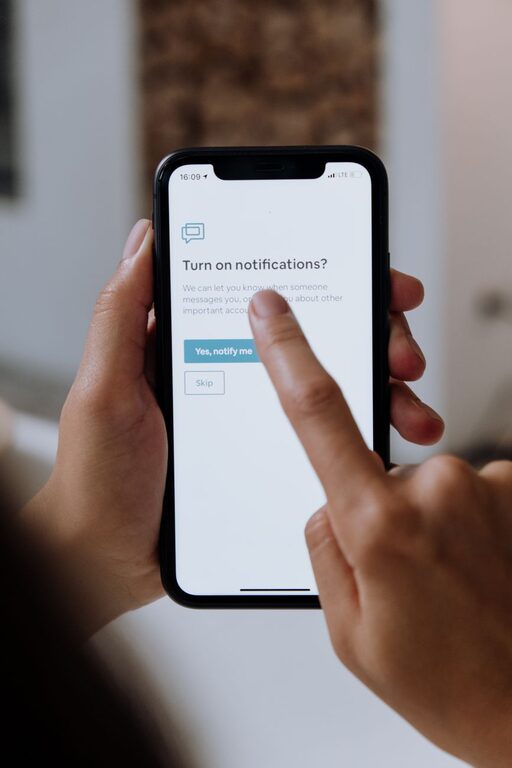
– Turn off non-essential notifications on your phone and computer
– Use apps or browser extensions to block distracting websites during work hours
– Inform family or housemates of your work schedule to minimize interruptions
– Keep your workspace tidy to reduce visual distractions
By controlling your environment, you can create a more focused mindset.
Use Time Management Techniques
Structured methods can improve your focus and help manage your workload. Popular techniques include:
– Pomodoro Technique: Work for 25 minutes, then take a 5-minute break. Repeat four times before taking a longer break.
– Time Blocking: Allocate specific blocks of time for different tasks or types of work.
– Task Batching: Group similar tasks to complete them consecutively, reducing context switching.
Experiment with these strategies to find what fits your working style best.
Take Regular Breaks
Breaks might seem counterintuitive, but they help prevent burnout and maintain mental clarity. Tips for effective breaks include:
– Stand up and stretch or take a short walk
– Practice deep breathing or mindfulness exercises
– Step away from screens during breaks to rest your eyes
Incorporating breaks keeps your brain fresh and ready to focus when you return.
Stay Physically Active
Physical activity contributes to better concentration and overall well-being. Even short periods of exercise can stimulate brain function. Suggestions include:
– Doing quick workouts or yoga in your breaks
– Walking or cycling before or after work
– Using a standing desk or sitting on an exercise ball occasionally
Active habits support sustained focus during working periods.
Optimize Your Technology
Your devices and tools should support your focus, not hinder it. Consider:
– Using noise-canceling headphones to block background noise
– Adjusting screen brightness and font sizes for comfort
– Keeping your software and apps organized to avoid clutter
– Utilizing productivity tools like to-do lists or project management apps
Having technology aligned with your work needs can streamline tasks and reduce frustration.
Prioritize Sleep and Hydration
Your brain performs best when well-rested and hydrated. Don’t underestimate the impact of:
– Getting 7-9 hours of sleep per night
– Drinking water regularly throughout the day
– Avoiding excessive caffeine or sugar, which can cause energy crashes
Good health habits lay the foundation for sharper focus.
Set Clear Boundaries Between Work and Personal Life
Working from home can blur lines between job and personal time. To keep focus during work hours:
– Communicate your availability to family and friends
– Avoid personal tasks during work time
– Shut down work devices when your day ends
– Create a “transition” ritual at the end of your workday (e.g., changing clothes, a short walk)
Strong boundaries help maintain mental separation and reduce stress.
Conclusion
Improving focus while working from home takes intentional effort but is entirely achievable. By designing a dedicated workspace, establishing a consistent routine, managing distractions, and caring for your well-being, you can boost your productivity and enjoy the benefits of remote work. Try integrating these tips one step at a time, and adjust them to fit your unique needs and lifestyle.
Remember, focus is a skill that can improve with practice—and a thoughtful approach to your work environment and habits makes all the difference.